
What Is Julgröt?
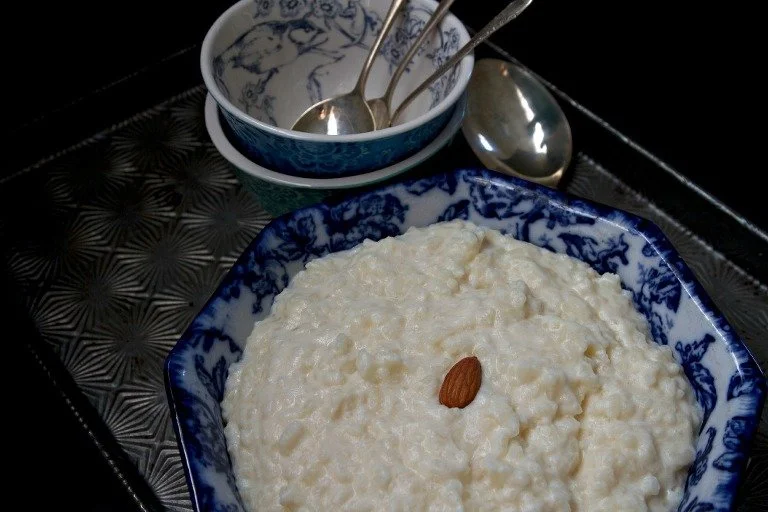
Julgröt (pronounced YOOL-groot) is a traditional Swedish Christmas porridge made from milk, rice, a touch of sugar, and a dab of butter. Its ingredients are simple, but the meaning behind it runs deep in Scandinavian culture.
A Typical Bowl
Picture this: A thick, creamy porridge steaming in the cold air. A pat of butter melting into a golden pool at the center. A sprinkle of cinnamon on top. A wooden table. Mittens drying near the stove. Someone laughing because they found the almond and now have “good luck” for the year.
It’s simple, but deeply rooted in memory, family, and faith—just the kind of tradition I love.
Where It Comes From
Long before central heat, Swedish winters were long, dark, and bone-cold. Families relied on warm, nourishing dishes—especially ones made from the best of what the farm could give. Milk was precious during winter months, so pulling out fresh milk to make Julgröt was an act of celebration in itself. It meant the cows were healthy, the season had provided, and God’s hand of provision had not failed.
A Christmas Eve Tradition
Julgrot is traditionally eaten on Christmas Eve. In many homes, the family gathers around the table in the late afternoon—candles glowing, the outside world quiet—and shares a pot of this warm, creamy porridge. It’s not dessert and it’s not breakfast… it’s more like a pause. A moment of stillness in the busiest season.
And the Swedes add a little fun: they hide a single blanched almond in the pot. Whoever finds it gets good fortune for the coming year. In older traditions, it meant you were the next to be married!
A Thread of Faith
The roots of Julgröt tie back to a time when nearly every home was shaped by Christian rhythms. Christmas Eve was a holy night—families went to church services, read the Christmas story, and ate Julgröt as part of making the day special and reverent.
There’s an old belief, too, that sharing warm milk and grain was a way of giving thanks—a humble offering from the year’s harvest, a reminder that the Lord provides in every season, even the coldest ones.